
Few things feel as comforting as warm homemade donut holes fresh from the pan, golden outside, soft and tender inside, and ready to disappear almost as quickly as they’re made.
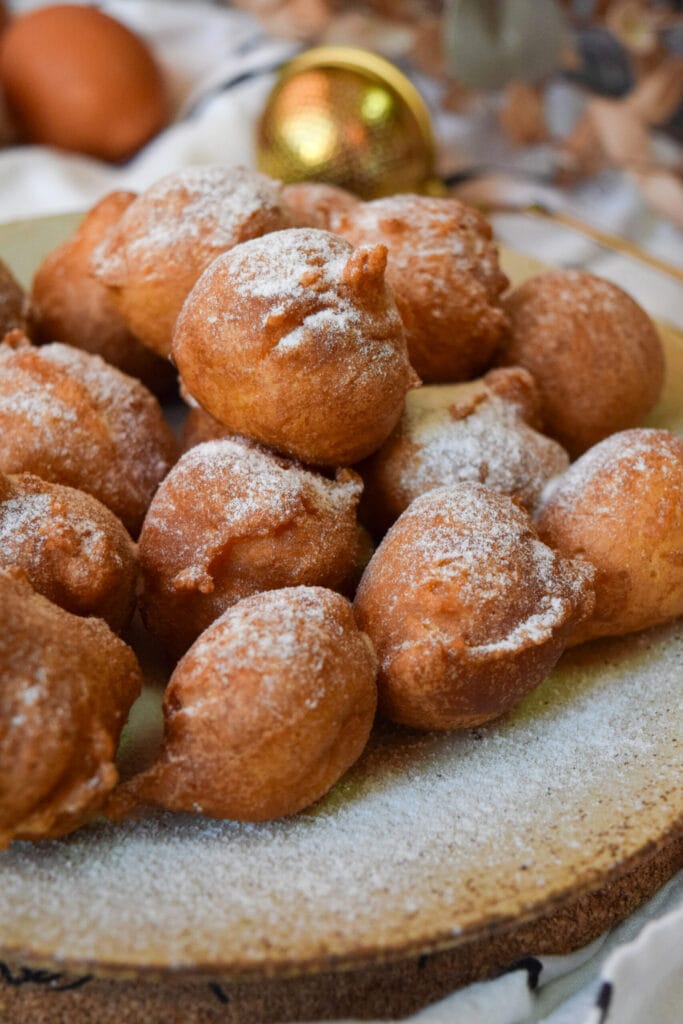
Traditional donuts often require yeast, proofing time, and careful planning. But these fried donut holes without yeast change that completely. Using yogurt and baking soda instead of yeast creates airy, fluffy bites in under 30 minutes, making them perfect for spontaneous weekend breakfasts, afternoon cravings, or last-minute desserts.
The moment they hit hot oil, the batter gently puffs into soft pillows with a delicate interior and lightly crisp exterior.
Why This No-Yeast Donut Recipe Works
Many quick donut recipes rely heavily on baking powder alone, which can sometimes produce dense or cake-like results. What makes these yogurt donut holes different is the interaction between yogurt and baking soda.
The natural acidity in yogurt activates the baking soda immediately, creating tiny air bubbles throughout the batter. This reaction mimics some of the lift normally achieved through yeast fermentation, but without waiting for the dough to rise.
At the same time, yogurt adds moisture and fat, which keeps the interior soft rather than dry or crumbly. The result is a donut hole that lands somewhere between a classic fried donut and a tender fritter: light, fluffy, and pleasantly rich without feeling heavy.
Another key factor is batter consistency. Unlike traditional donut dough, this mixture stays soft and scoopable, allowing the donut holes to expand naturally while frying.
Understanding the Ingredients
Although the ingredient list looks simple, each component plays an important structural role.
- Eggs provide stability and help the donut holes hold their shape during frying. They also contribute to the slightly airy texture once cooked.
- Whole-milk yogurt is the real star here. Beyond flavor, it supplies acidity for leavening and keeps the crumb moist. Using full-fat yogurt produces noticeably softer results compared to low-fat versions.
- A small amount of sugar lightly sweetens the dough while encouraging golden browning in hot oil. These donut holes are intentionally only mildly sweet, so they pair well with powdered sugar, jam, or dipping sauces later.
- Oil in the batter improves tenderness and prevents the interior from becoming tight or bread-like.
- Finally, flour provides structure. The goal is a thick batter rather than kneadable dough; this distinction is what keeps the texture delicate instead of dense.
Smart Substitutions
If you need flexibility, a few adjustments work well without compromising texture.
Dairy adjustments: Greek yogurt can be used, but because it is thicker, you may need a small splash of milk to maintain a soft, scoopable consistency. Regular plain yogurt typically produces the lightest crumb.
Flavor аdditions: Vanilla extract, citrus zest, or a pinch of cinnamon blend naturally into the batter without changing structure. These additions enhance aroma.
Flour options: All-purpose flour provides the best balance. Replacing part of it with cake flour creates a softer interior, while heavier flours may produce slightly denser results.
Tips for the Best Fried Donut Holes
Success with quick-fried dough mostly comes down to temperature and handling rather than complicated technique.
- Maintain steady oil temperature between 340-350°F (170-175°C). Oil that is too hot browns the outside before the center cooks, while cooler oil causes greasy donut holes.
- Avoid overcrowding the pan. Frying in small batches helps maintain consistent heat and allows even browning.
- Use a spoon or small cookie scoop for a uniform size. Even portions cook at the same rate and prevent raw centers.
- Let the batter rest briefly after mixing. Even a short rest allows flour hydration, improving texture during frying.
- Drain properly on paper towels, but serve while still warm; this is when the texture is at its best.
- Always monitor oil temperature carefully and never leave hot oil unattended. Frying requires attention, especially when cooking in small batches.
Common Mistakes and How to Avoid Them
- Donut Holes Browning Too Fast
This usually means the oil temperature is too high. Lower the heat slightly and allow the oil to stabilize before continuing.
- Centers Turning Doughy
Oversized scoops or overly hot oil often cause this issue. Smaller portions cook more evenly.
- Dense or Heavy Texture
Overmixing develops gluten, which tightens the crumb. Mix just until combined.
- Greasy Exterior
Oil that hasn’t fully reheated between batches allows excess absorption. Give the oil a minute to recover before frying again.
Texture & Flavor Troubleshooting
If your donut holes feel slightly firm after cooling, they were likely fried a bit too long. The interior should stay airy and moist with only a thin golden crust.
If flavor feels flat, finishing touches make a big difference. A light dusting of powdered sugar, cinnamon sugar coating, or fruit preserves instantly balances richness with sweetness or acidity.
Storage and Reheating
These donut holes are best enjoyed fresh, ideally within a few hours of frying.
If needed, store leftovers in an airtight container at room temperature for up to one day. Refrigeration tends to firm the texture.
To refresh, warm briefly in a low oven or air fryer for a few minutes. Avoid microwaving for too long, as it can make fried dough rubbery.
For food safety, always allow donut holes to cool before storing to prevent condensation and sogginess.
Easy Variations to Try
Once you master the base recipe, it adapts beautifully.
- You can roll warm donut holes in cinnamon sugar for a classic fair-style finish, drizzle them with chocolate glaze for dessert, or serve them with jam or honey for breakfast.
- Adding lemon zest creates a brighter flavor profile, while a touch of nutmeg gives a traditional bakery-style donut aroma.
Because the batter comes together quickly, it’s an ideal base for experimenting.
Serving Suggestions
These yogurt donut holes work especially well when served warm alongside coffee or tea, making them perfect for relaxed weekend mornings.
They also shine as a casual dessert platter with dipping sauces like chocolate, berry jam, or caramel. For gatherings, serving them freshly fried often turns them into the first empty plate on the table.
Their small size makes them ideal for brunch spreads, holiday mornings, or quick, sweet snacks without committing to full donuts.
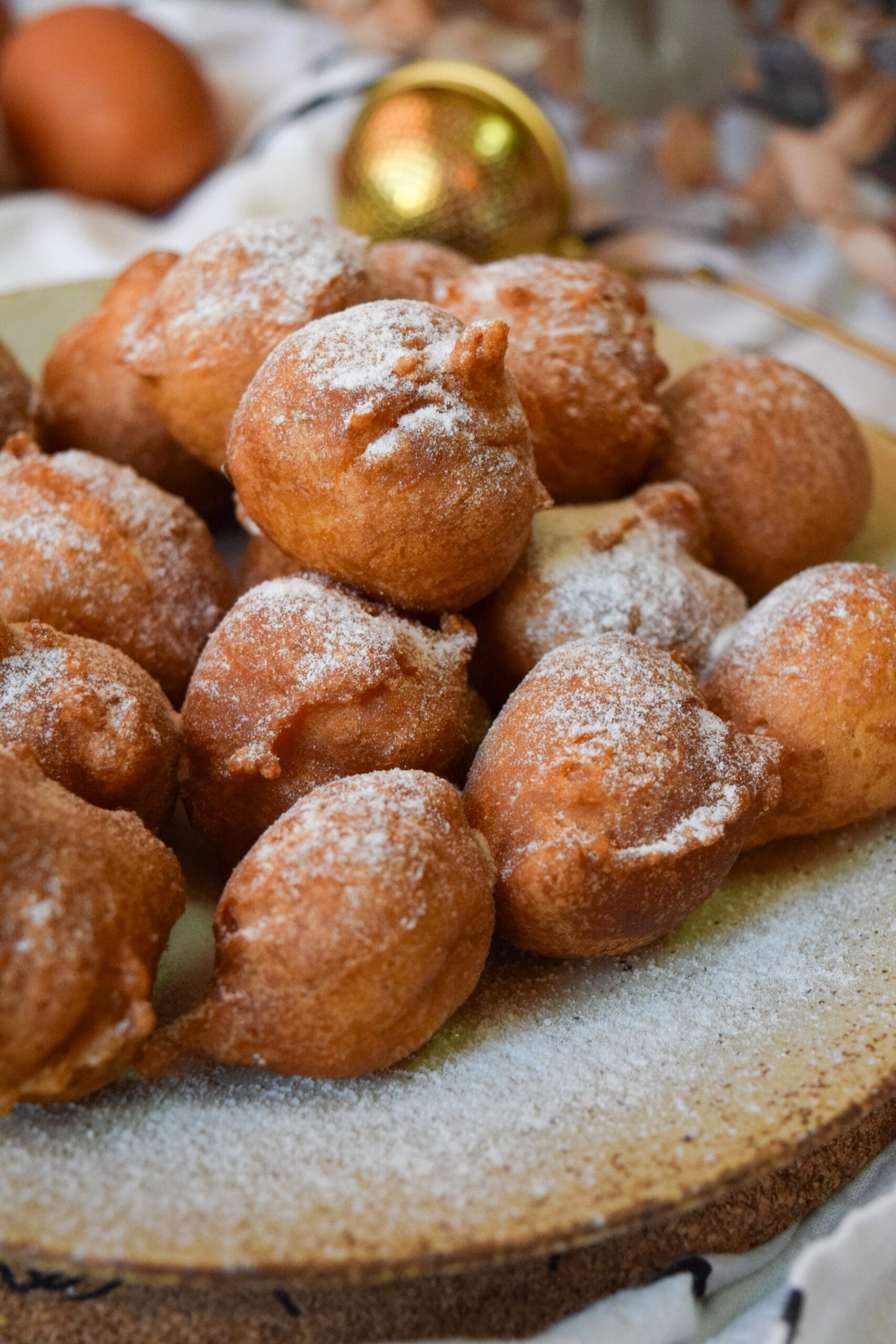
Fried Donut Holes without Yeast
Ingredients
Equipment
Method
- In a bowl, combine the yogurt and baking soda. Stir and let it foam for 1-2 minutes.
- In a separate large bowl, whisk the eggs and sugar until slightly frothy. Add oil and salt, then mix in the yogurt mixture.
- Gradually add the flour, mixing until a thick batter forms. The batter should be scoopable but not runny.
- Heat oil in a deep skillet to 340-350°F (170-175°C).
- Using a spoon or cookie scoop, carefully drop about 1 tablespoon of batter into the hot oil. Fry for 3-4 minutes until golden brown, turning if necessary.
- Transfer to paper towels to drain excess oil before serving.
Notes
- Yield: Makes about 25-20 donut holes.
- Do not overheat the oil, or the centers may remain undercooked.
- Best served warm.
- You can dust with powdered sugar or serve with jam.
Conclusion
If you love homemade donuts but don’t want to wait for the dough to rise, these fried donut holes without yeast are one of the easiest ways to enjoy fresh bakery-style results at home.
They’re quick, forgiving, and incredibly satisfying, proof that great comfort food doesn’t need complicated steps or hours in the kitchen.
Once you try them warm from the pan, this recipe becomes an easy repeat favorite.
If you try these fried donut holes, leave a comment. I’d love to hear if you enjoyed them.
Leave a Reply