
Making homemade roasted pumpkin puree is easy with fresh pumpkin or winter squash. This recipe uses butternut squash, which roasts until tender and blends into a smooth, naturally sweet puree that’s perfect for baking, soups, and other recipes.
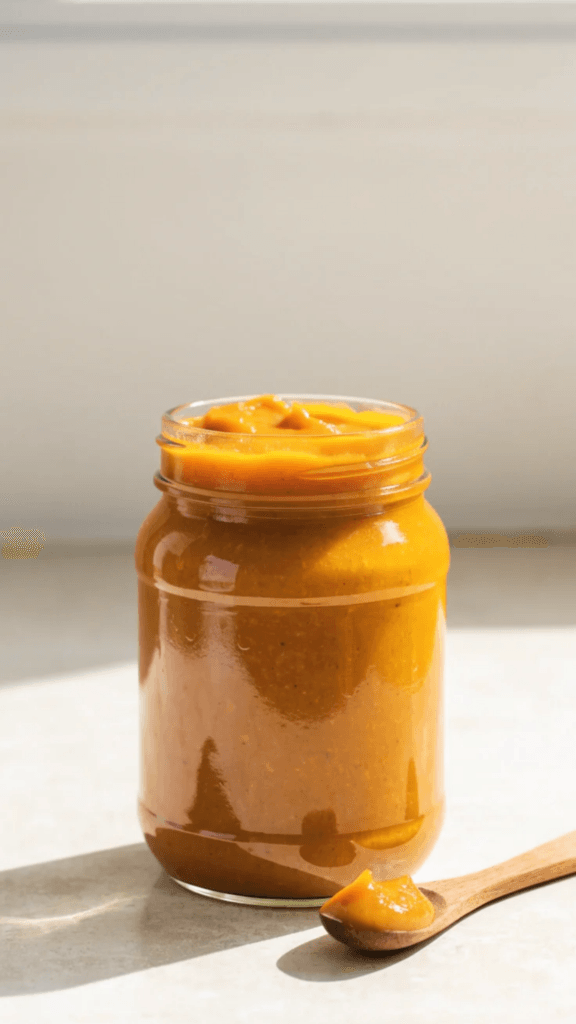
Roasting brings out the squash’s natural flavor without adding extra water, helping you achieve a thick, creamy consistency. All you need is an oven and a blender or food processor.
You can make a batch during pumpkin season, use what you need, and freeze the rest for later. The most important part is getting the consistency right, especially if you’re planning to bake with it.
Best Pumpkin for Roasted Pumpkin Puree
Not every pumpkin produces the same results. Some varieties have dense, sweet flesh, while others contain more water and can become stringy after cooking.
For a smooth, flavorful puree, these are some of the best choices:
- Sugar pumpkin (pie pumpkin): A classic choice for homemade pumpkin puree. These smaller pumpkins generally have sweeter, less fibrous flesh than large carving pumpkins.
- Butternut squash: An excellent alternative with naturally sweet, smooth flesh. It often produces a creamy puree that works well in baking and soups.
- Kabocha squash: Has dense, relatively dry flesh and a rich flavor, making it particularly useful when you need a thicker puree.
Avoid large Halloween carving pumpkins when possible. They’re usually grown for their size and appearance rather than their flavor or cooking quality.
Although butternut squash isn’t the same variety as a traditional pie pumpkin, it can be used in many recipes that call for pumpkin puree.
Why Roasting Works So Well
Roasting is one of the easiest methods for preparing pumpkin puree because it softens the flesh without submerging it in water.
As the pumpkin cooks, its flesh becomes tender enough to scoop away from the skin and blend into a smooth mixture. Roasting also develops a slightly deeper, sweeter flavor than you typically get from boiling.
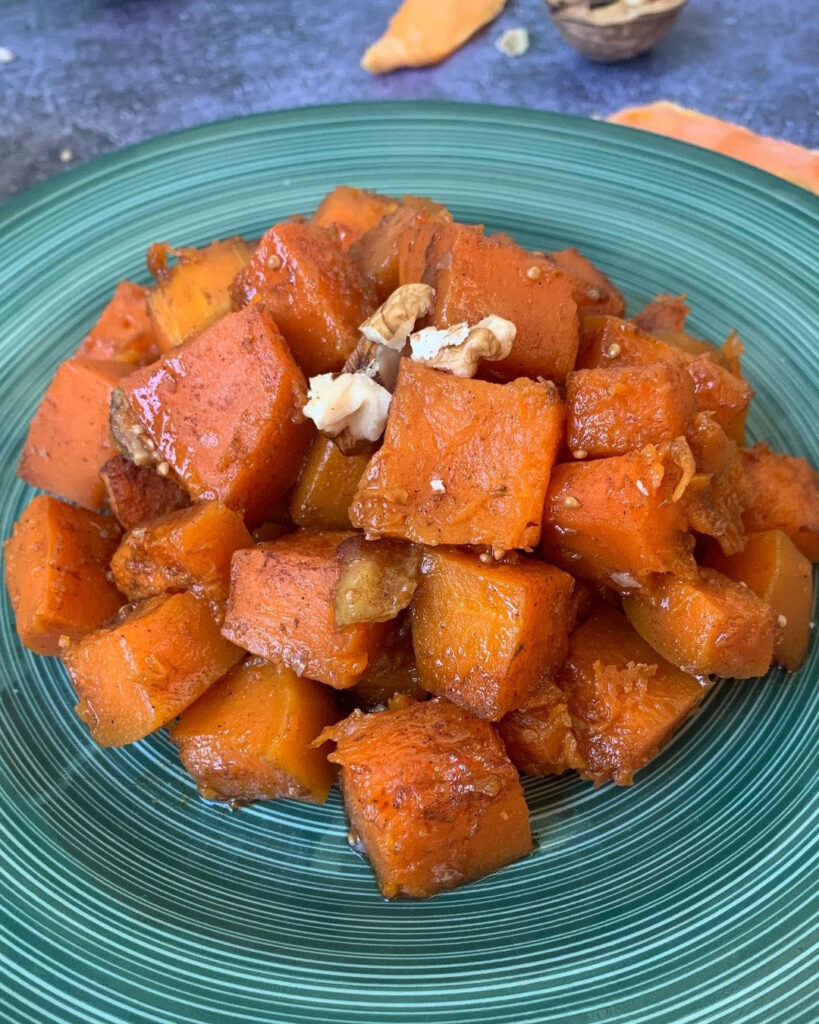
The pumpkin is ready when a fork slides easily into the thickest part without resistance. Don’t rely entirely on the cooking time; larger pieces and denser varieties may need closer to 60 minutes, while smaller pieces can finish sooner.
Leaving the skin on during roasting also makes preparation easier. Once the pumpkin has softened and cooled enough to handle, the flesh separates much more easily from the skin.
Tips for Smooth, Thick Pumpkin Puree
The biggest difference between homemade and canned pumpkin puree is often the amount of moisture. These simple techniques help you achieve a consistency that works for your recipes.
Blend Until Completely Smooth
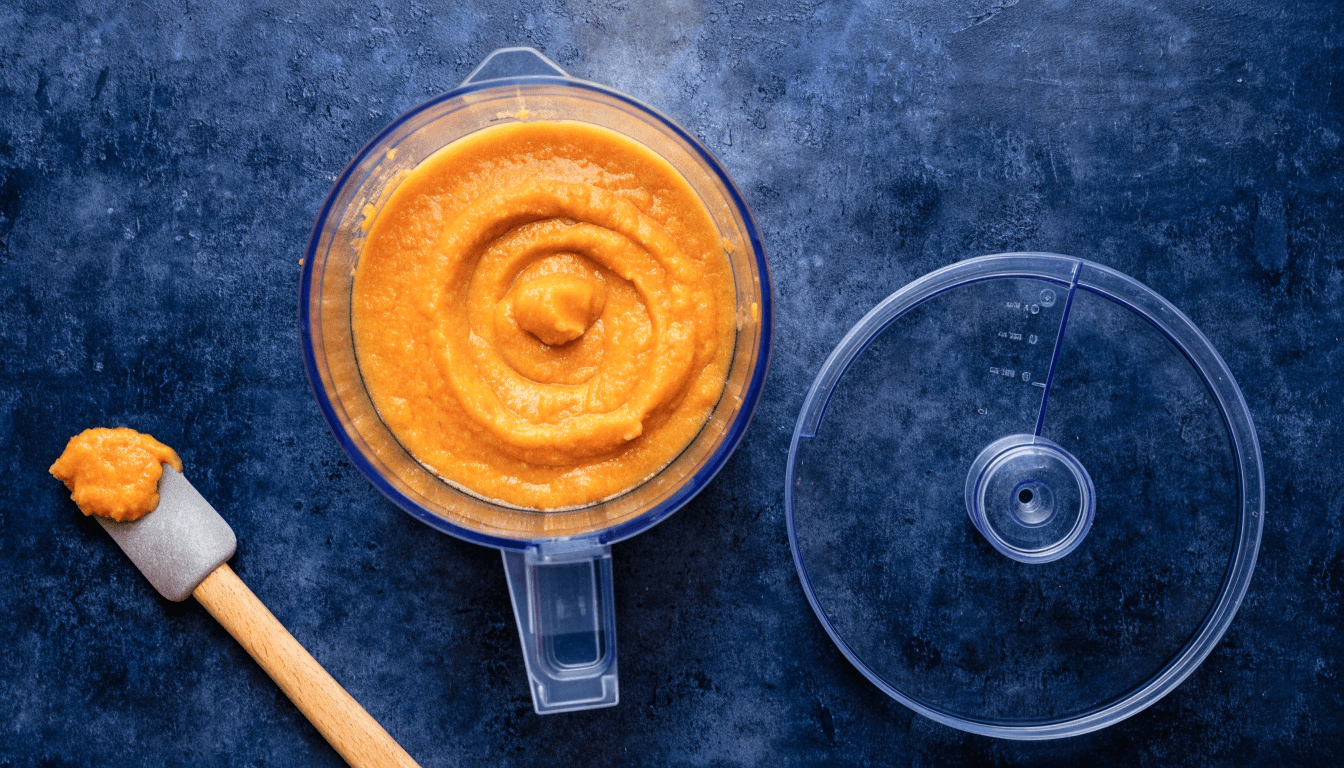
For a creamy texture, use a food processor or blender and process the roasted pumpkin until no noticeable lumps remain.
If the mixture is too thick to move easily, stop and scrape down the sides rather than immediately adding water. Adding extra liquid can make the puree unsuitable for recipes that depend on a thick consistency.
A potato masher also works, although the result will be slightly more textured.
Drain Excess Moisture When Necessary
Homemade pumpkin puree can be noticeably wetter than canned puree, depending on the variety and how it was roasted.
If liquid collects around the puree or it looks loose and watery, transfer it to a fine-mesh strainer lined with cheesecloth and place it over a bowl.
Let it drain for approximately 30 minutes, checking the consistency afterward. Very watery batches may need longer.
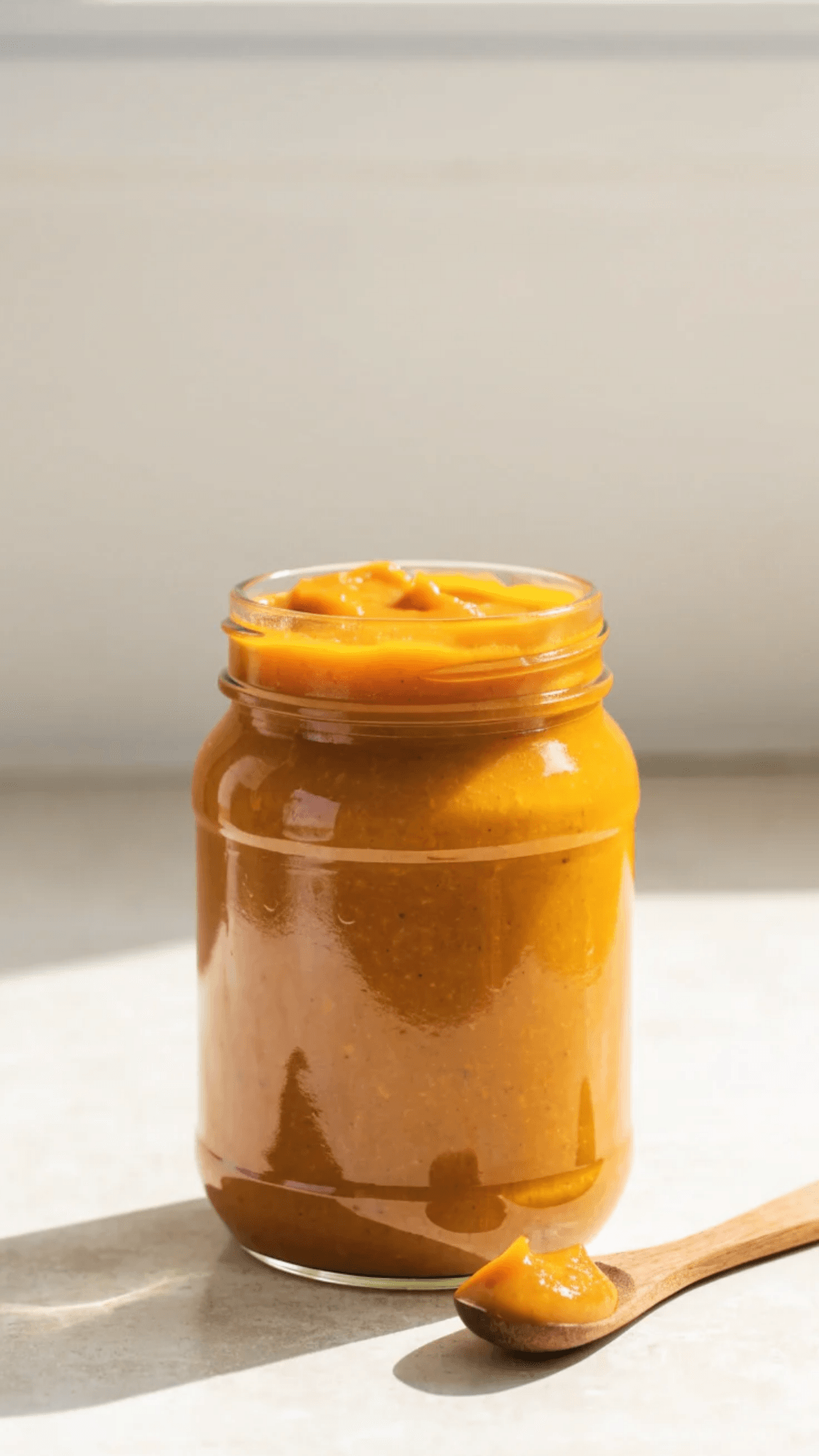
For baking, aim for a thick puree that holds its shape on a spoon rather than spreading immediately. For soups and sauces, a thinner consistency is usually less of a concern.
Keep the Puree Plain
Avoid adding sugar, cinnamon, or other seasonings if you plan to use the puree in different recipes.
Plain pumpkin puree gives you more flexibility. You can add warm spices for desserts or savory seasonings for soups and sauces later.
Homemade Pumpkin Puree vs. Canned Pumpkin
Homemade and canned pumpkin puree can often be used interchangeably, but they aren’t always identical.
Commercial canned pumpkin is generally processed to produce a consistent texture. Homemade puree varies depending on the pumpkin variety, roasting method, and moisture content.
For recipes such as pumpkin bread, muffins, or pumpkin pie, this difference matters because excess moisture can affect the finished texture.
You can usually substitute homemade puree for the same measured amount of canned pumpkin, provided the homemade version has a similar consistency.
If your puree seems considerably thinner than canned pumpkin, drain it before measuring the amount required by your recipe.
Also, remember that plain pumpkin puree and pumpkin pie filling are different products. Pumpkin pie filling contains additional ingredients such as sweeteners and spices, so it isn’t a direct substitute for plain puree.
How to Store and Freeze Pumpkin Puree
Homemade pumpkin puree is easy to prepare ahead of time, especially when pumpkins are in season.
- Refrigerator: Allow the puree to cool promptly, transfer it to an airtight container, and refrigerate for up to 3-4 days.
- Freezer: Divide the cooled puree into ½-cup or 1-cup portions and place them in freezer-safe containers or bags. Freeze for up to 3 months for best quality.
Label each portion with the amount and date so you can easily use the correct quantity later.
When you’re ready to use frozen puree, thaw it in the refrigerator. Some liquid may separate during thawing; stir it well and drain any excess moisture if necessary.
Important: Homemade pumpkin puree should not be canned for shelf storage. Its thickness makes safe heat penetration difficult to establish using home-canning methods. Refrigeration or freezing is the recommended option.
Ways to Use Homemade Pumpkin Puree
Once you’ve made a batch, there are plenty of ways to use it beyond traditional pumpkin pie.
For baking, stir it into pumpkin muffins, quick breads, pancakes, or cakes. Its naturally creamy texture adds moisture and pumpkin flavor.
For savory dishes, use it as the base for pumpkin soup, blend it into pasta sauces, or add a spoonful to risotto.
You can also mix plain puree into oatmeal or yogurt with a little cinnamon for a simple fall breakfast.
If you’re planning to use the puree for several recipes, freezing it in measured portions makes preparation much easier.
Make Your Own Roasted Pumpkin Puree at Home
Homemade pumpkin puree is a useful ingredient to keep on hand throughout fall and beyond. Roasting fresh pumpkin brings out its natural flavor, while blending creates a smooth base for everything from baked desserts to savory meals.
Once you’ve made your own, you can portion and freeze it so it’s ready whenever a recipe calls for pumpkin.
Homemade Pumpkin Puree
Ingredients
Equipment
Method
- Preheat the oven: Preheat your oven to 400°F (200°C). Line a baking sheet with parchment paper.
- Prepare the pumpkin: Wash the pumpkin, remove the seeds and stringy parts, and cut it into large pieces. Leave the skin on.

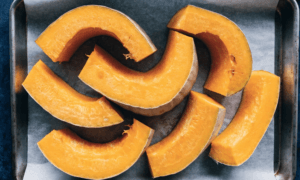
- Roast: Arrange the pumpkin pieces on the baking sheet and roast for 40-60 minutes, or until the flesh is soft and easily pierced with a fork.
- Cool and peel: Let the pumpkin cool until it's safe to handle. Remove the skin and transfer the flesh to a food processor or blender.
- Blend: Puree until smooth, scraping down the sides as needed.

- Drain if needed: If the puree is watery, place it in a fine-mesh strainer or cheesecloth over a bowl and let it drain for about 30 minutes.
- Store: Transfer the puree to an airtight container and refrigerate or freeze until needed.

Notes
- Best Pumpkin: Small sugar pumpkins (also called pie pumpkins) are a good choice. Avoid large carving pumpkins, which tend to have stringier flesh.
- Consistency: Homemade pumpkin puree may contain more moisture than canned pumpkin. If it’s watery, drain it before using it in baking recipes.
- No Added Sugar: Keep the puree plain if you plan to use it in both sweet and savory recipes. Add salt or spices later, depending on the dish.
- Refrigerator Storage: Store in an airtight container in the refrigerator for 3-4 days.
- Freezing: Freeze cooled pumpkin puree in airtight, freezer-safe containers for up to 3 months for best quality. Divide it into ½-cup or 1-cup portions for easier use.
- Yield: The amount of puree will vary depending on the size and variety of pumpkin and how much moisture is drained.
- Important: Homemade pumpkin puree should not be canned for shelf storage. Refrigerate or freeze it instead.
Leave a Reply